Financial Security: Insurance Is Not Optional — It Is Essential
In international shipping, strong packaging is very important, no doubt about that. But actually, packaging can only protect cargo from normal bumps, squeezing, moisture, or rough handling. It cannot stop a vessel accident, warehouse fire, container loss, port disaster, or other force majeure events. That is why cargo insurance is not just an extra choice. For many shipments, it is the real financial safety net.
Good Packaging Is Important, But It Has Limits
Many shippers spend a lot of time thinking about cartons, wooden crates, pallets, bubble wrap, foam, corner protection, and moisture-proof bags. This is correct. Actually, good packaging can reduce many common problems during transportation. It helps goods survive warehouse loading, container stacking, truck vibration, and long-distance movement. Without good packaging, even a normal shipment can become a headache.
But here is the part many people forget: packaging is not magic. It cannot protect goods from everything. If a container falls into the sea, no carton can save it. If a warehouse catches fire, foam and plywood will not help much. If a vessel has a maritime disaster, even the strongest outer box may disappear with the cargo. It sounds a bit scary, but this is real logistics, not a perfect showroom.
Sometimes customers think, “My goods are packed very well, so I don’t need insurance.” Honestly, this idea is risky. Strong packaging and cargo insurance are not the same thing. Packaging protects the physical goods from normal transportation damage. Insurance protects your financial value when something bigger happens. They work together, but one cannot replace the other.
Packaging Protects Goods
Cartons, pallets, crates, and cushioning help protect products from normal movement, pressure, and handling during shipping.
Insurance Protects Money
Cargo insurance helps reduce financial loss when goods are lost, damaged, burned, or affected by major accidents.
Risk Never Becomes Zero
Even with careful handling, international transport still has risks from weather, fire, port issues, and maritime accidents.
What Does “Force Majeure” Mean in Shipping?
“Force majeure” sounds like a big legal word, but the meaning is not hard to understand. It means events that are outside normal human control. In shipping, this can include maritime disasters, fires, storms, vessel accidents, port explosions, serious weather, political problems, strikes, or other unexpected events. Maybe it happens rarely, but when it happens, the loss can be huge.
It is very easy to believe that these things are far away from us. Most shipments arrive safely, so people may feel insurance is not necessary. But international logistics is a long chain. Goods may move from factory to warehouse, warehouse to truck, truck to port, port to container yard, container yard to vessel, then vessel to destination port, customs, local truck, and final delivery. Every step has a small risk. Usually nothing happens, but special cases do happen.
This is the interesting part: people often care about saving a small insurance cost, but they forget the value of the whole shipment. If the cargo value is high, even one accident can wipe out the profit of many orders. Maybe the insurance fee looks like an extra cost today, but when there is a claim, it becomes the most important document in the whole shipment.
Small reminder: freight charges and cargo value are two different things. If a shipment is lost or seriously damaged, the carrier’s standard liability may be very limited. It usually does not mean they will pay the full product value. This is why separate cargo insurance matters.
Why Carrier Liability Is Usually Not Enough
Some customers may ask, “If the shipping company loses my goods, shouldn’t they pay for everything?” Actually, in real international logistics, it is not that simple. Carriers, airlines, shipping lines, truckers, and warehouses usually have limited liability. Their compensation rules may be based on weight, package count, international convention, or contract terms. It may be much lower than the real product value.
For example, a carton may contain expensive electronics, branded products, machines, or high-value commercial goods. But if there is no proper cargo insurance, the compensation may not match the actual loss. This is hard to accept after an accident, but it is a common rule in transportation. The carrier is not automatically your full-value insurance company.
So when customers say, “The goods are worth a lot, please take care,” we always understand. But taking care and covering full value are two different things. Logistics companies can improve handling, choose better routes, suggest stronger packaging, and arrange more reliable channels. But for financial protection, insurance is the real tool.
What Cargo Insurance Usually Helps Cover
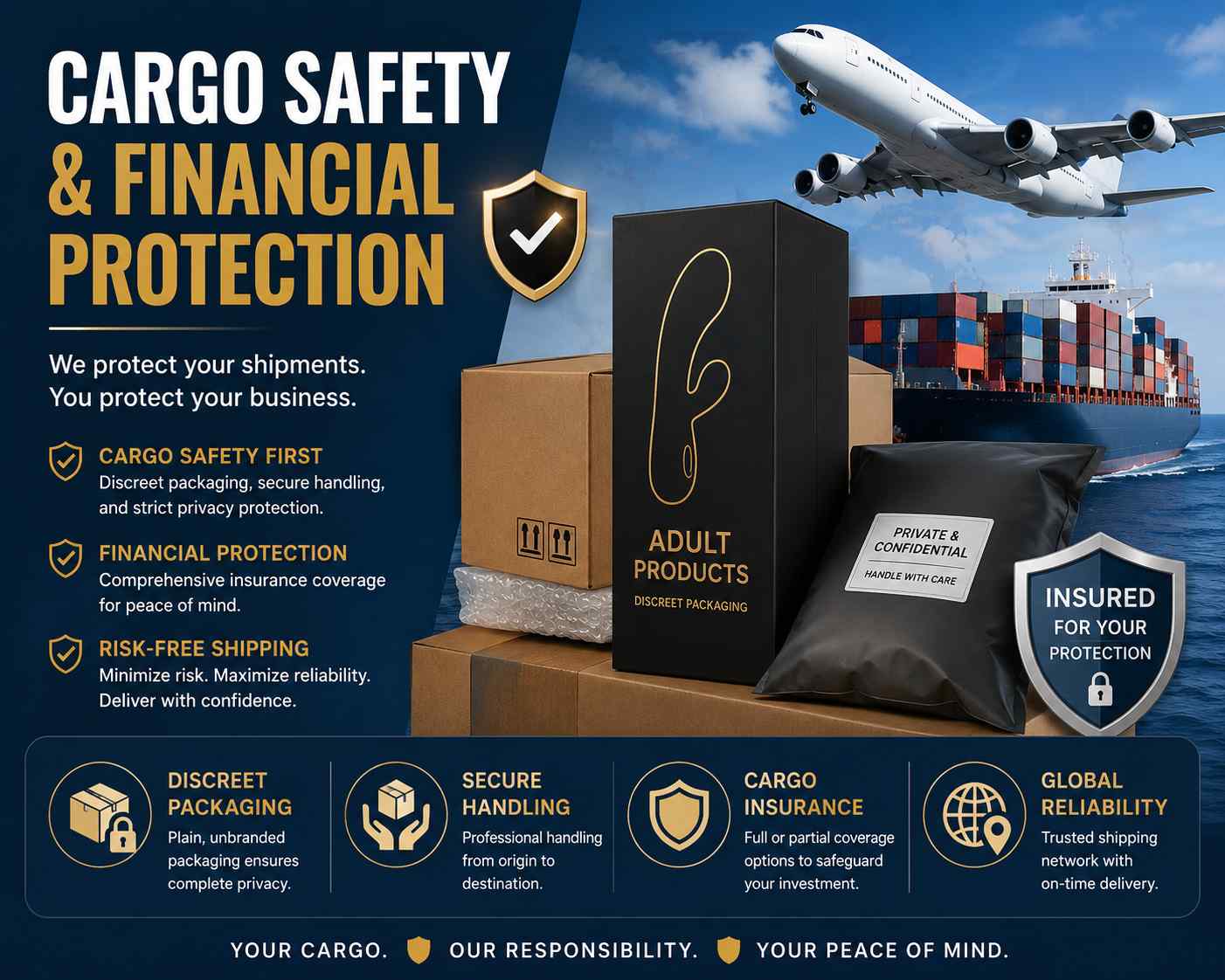
Cargo insurance is designed to protect the cargo owner from financial loss caused by certain transportation risks. The exact coverage depends on the insurance policy, cargo type, route, and declared value. Different insurers have different terms, so it is always better to check before shipping. But in general, cargo insurance may help with losses caused by major damage, theft in some cases, fire, vessel accident, container loss, and other covered risks.
Of course, insurance is not a free pass for careless shipping. It does not mean poor packaging is okay. It does not mean wrong declaration is okay. It does not mean prohibited goods can be shipped without risk. Insurance companies also need reasonable documents and evidence. If the goods are packed badly, declared incorrectly, or shipped against rules, the claim may become difficult.
That is why insurance should be part of a full risk-control plan. Good packaging, correct product information, clear invoice, proper photos, and suitable shipping method are still important. Insurance adds another layer of protection, but it works best when the shipment itself is handled properly.
When Is Insurance Most Necessary?
Honestly, insurance is useful for almost any shipment with meaningful cargo value. But it becomes especially important in some situations. If your goods are expensive, fragile, hard to replace, customized, seasonal, branded, or needed for an urgent project, insurance should be seriously considered. If the goods are for resale, one lost shipment may not only mean product loss, but also customer complaints, delayed sales, and cash flow pressure.
- High-value goods such as electronics, machinery, instruments, and commercial stock.
- Fragile goods such as glass, ceramics, lighting products, displays, and furniture.
- Seasonal goods that must arrive before a certain sales period.
- Customized goods that are difficult to reproduce quickly.
- Large-volume sea freight shipments with many cartons or pallets.
- Shipments going through long routes, multiple transfers, or complicated ports.
- Goods shipped by container, LCL, air freight, truck, rail, or multimodal transport.
Maybe a small sample parcel does not need much insurance if the value is low. But for wholesale orders, factory shipments, e-commerce inventory, or customer project cargo, not buying insurance is sometimes like driving without a seat belt. Most days nothing happens, but when something happens, the damage comes very fast.
Documents Matter More Than You Think
If a claim happens, documents become very important. This is where many people feel surprised. They may think insurance only needs one sentence: “My goods are damaged.” But in reality, the insurer needs proof. They may need commercial invoice, packing list, photos before shipping, photos after damage, delivery record, damage report, tracking information, and sometimes inspection report.
This is why we usually suggest customers keep clear product value documents and take photos before shipment, especially for valuable cargo. If goods are packed into wooden crates or pallets, photos before sealing can be useful. If goods arrive damaged, the receiver should take photos immediately before moving everything around. It is very easy to forget this part when everyone is busy unloading, but later the photos may decide whether the claim is smooth or not.
Another detail is declared value. The insured amount should match the real commercial value as much as possible. If the value is too low, the protection is not enough. If the description is unclear, the claim may take longer. So, actually, insurance starts before the goods leave China, not after the accident happens.
A Practical Insurance Process for Cargo Shipping
The process does not need to be complicated. For most shipments, you only need to prepare the cargo details clearly and confirm insurance before departure. Waiting until goods are already on the way may be too late.
Insurance Is Not About Fear, It Is About Planning
Some people feel insurance is only for unlucky shipments. Actually, it is more like a normal business habit. You do not buy insurance because you expect a ship to catch fire. You buy it because you understand that international transport has risks that nobody can fully control.
This is especially true for sea freight. A container may travel thousands of kilometers across different ports and weather conditions. Most of the time, everything is fine. But if there is a maritime accident, fire, water damage, container loss, or serious delay caused by disaster, the result can be very expensive. Good packaging helps with normal damage. Insurance helps with the bigger financial hit.
For business owners, importers, Amazon sellers, wholesalers, furniture buyers, machinery buyers, and e-commerce sellers, cash flow matters. Losing one shipment without insurance can hurt more than expected. Maybe the goods can be remade, but it takes time. Maybe the customer can wait, but not always. Maybe the supplier can help, but not for free. These real-life problems are why insurance is essential.
Final Thought: Do Not Let One Accident Destroy the Whole Order
In international logistics, we can do many things to reduce risk. We can choose suitable packaging, strong cartons, wooden crates, pallets, better routes, reliable warehouses, and experienced freight forwarders. These are all important. But no matter how robust the packaging is, it still cannot withstand every force majeure event.
Cargo insurance is not optional when the shipment value matters. It is part of responsible shipping. It gives the cargo owner a financial backup when something unusual happens. Maybe you will never need to claim, and that is the best result. But if one day the shipment faces a real accident, you will be glad that insurance was arranged before departure.
So before shipping goods overseas, especially valuable or important cargo, do not only ask about freight cost and transit time. Also ask about insurance. Ask what can be covered, what documents are needed, and when it must be arranged. It is a small step before shipping, but it may protect the whole order later.
Need Help Checking Cargo Insurance Before Shipping?
You can send the cargo name, quantity, carton size, weight, invoice value, destination country, and shipping method. We can help check the shipping plan and remind you what information may be needed for cargo insurance. Actually, a few clear details before shipment can save a lot of trouble later.
Contact YDT Logistics