Many customers ask the same question:
“Why did my last shipment take 18 days, but this one needs 28 days?”
This is one of the most common things in global logistics.
And honestly, sea freight transit time is never completely fixed.
Sometimes the schedule looks perfect on paper, but in reality, ports get crowded, weather changes suddenly, or customs inspections happen unexpectedly.
Maybe a vessel skips a port. Maybe containers wait for transshipment.
These things happen more often than people imagine.
This is very interesting because many factories, importers, and even first-time buyers think shipping works exactly like airline departures.
But sea freight is a lot more complicated.
There are many moving parts behind one container journey.
1. Port Congestion Changes Everything
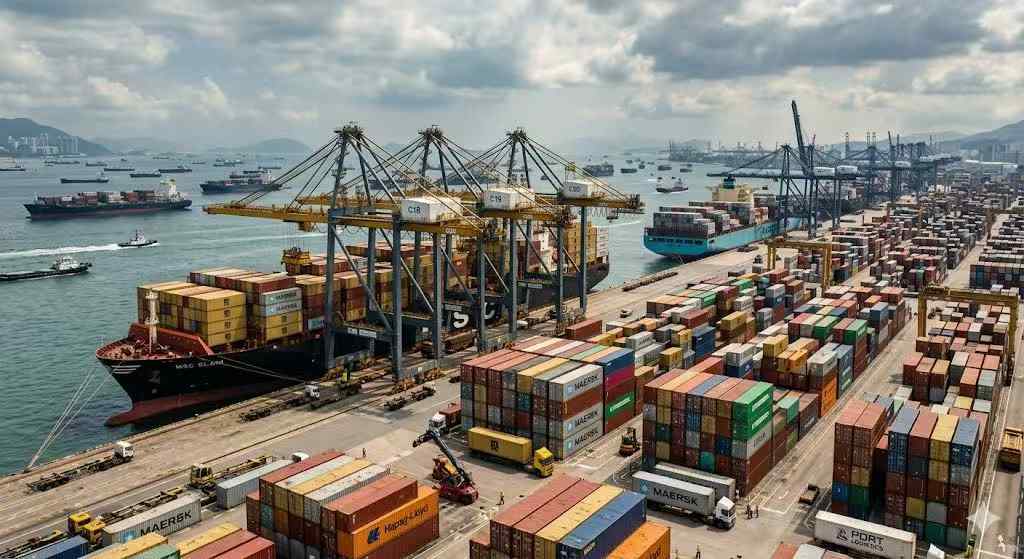
Port congestion is probably one of the biggest reasons sea freight transit time changes constantly.
For example, during peak seasons, ports like
Shanghai, Singapore, Rotterdam, Los Angeles, or Dubai may suddenly become overloaded.
Thousands of containers arrive at the same time, trucks line up outside terminals, and vessels wait offshore for berth space.
Sometimes a ship arrives on time, but the container still cannot unload immediately.
It sounds unbelievable, but a vessel may wait several days just for docking.
During special situations like holidays, labor shortages, or strikes, delays can become even worse.
A shipment that normally takes 25 days may suddenly become 40 days or longer.
2. Weather Conditions Are Hard To Predict
Weather plays a much bigger role in sea freight than many people think.
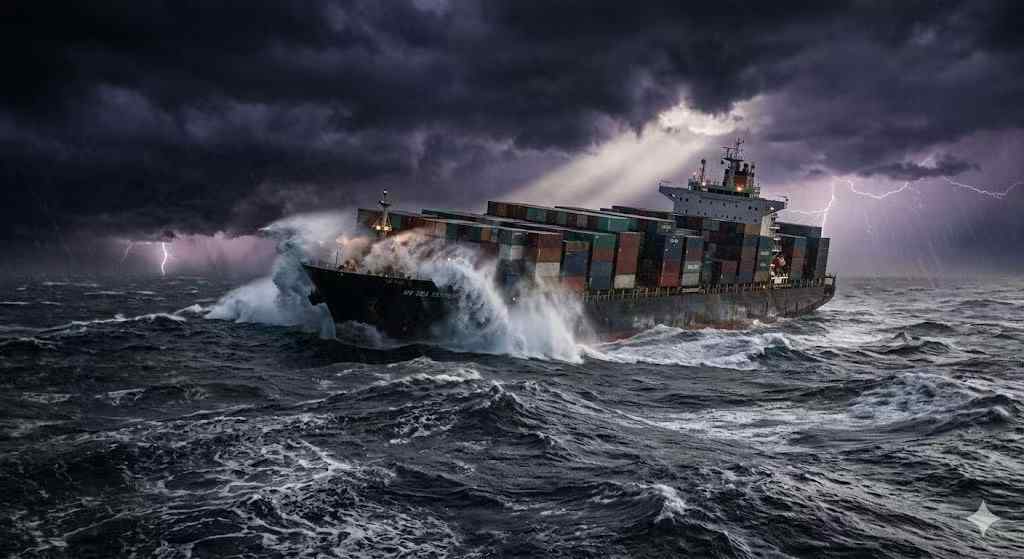
Typhoons in Asia, storms in the Pacific Ocean, or heavy winds near Europe can force vessels to slow down or even change routes completely.
Sometimes ports temporarily stop operations because conditions are unsafe for cranes and dock workers.
This happens quite often during hurricane season.
Maybe from the customer side, the weather looks normal locally, but somewhere along the shipping route, there could be severe disruptions already affecting schedules.
A vessel crossing multiple oceans may experience delays from several different weather systems during one trip.
That is why estimated arrival times often change during transit.
3. Transshipment Ports Can Add Uncertainty
Direct shipping routes are usually faster and more stable.
But actually, many containers do not travel directly from origin to destination.
A lot of shipments go through transshipment ports like Singapore, Busan, Port Klang, Colombo, or Jebel Ali.
This means the container must first arrive at an intermediate port, wait there, and then get loaded onto another vessel.
Sometimes everything connects smoothly.
But sometimes the second vessel departs earlier than expected, or the first vessel arrives late, causing the container to miss connection schedules.
In special situations, containers may wait several extra days for the next available vessel space.
4. Customs Inspection Delays
Customs clearance is another reason transit time is not fixed.
Some shipments clear very quickly, maybe within hours.
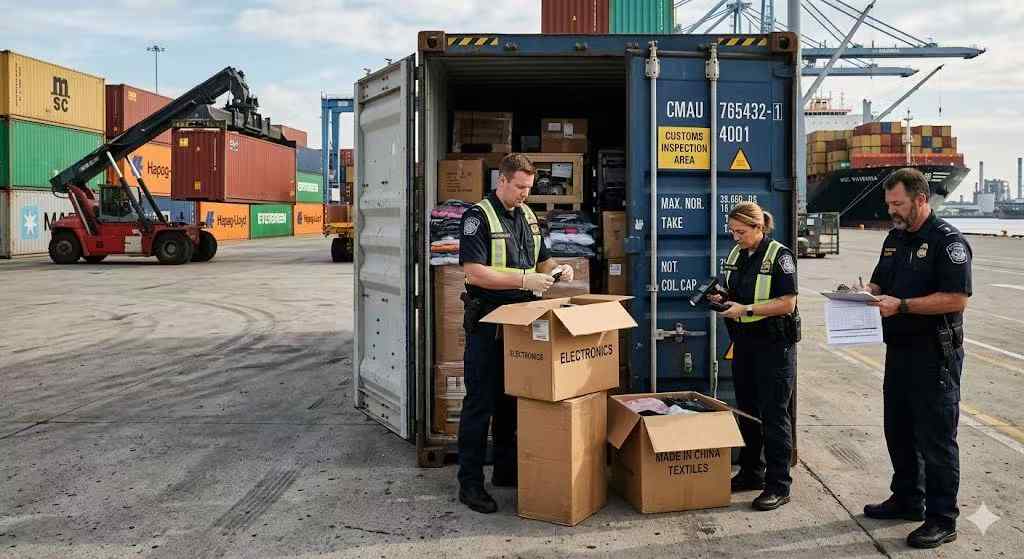
Others get selected for inspection, document review, or cargo examination.
This happens in almost every country.
Sometimes customs checks are random.
Sometimes certain products receive extra attention.
Electronics, liquids, batteries, branded products, food items, or sensitive cargo may require additional verification.
5. Vessel Schedule Adjustments
Shipping lines often adjust schedules based on operational needs.
Maybe a vessel skips a port because congestion is too serious.
Maybe fuel-saving slow steaming gets implemented.
Or maybe shipping companies reorganize routes during peak season.
This is actually very common in the shipping industry, especially during busy periods before holidays.
Because of these adjustments, estimated transit times shown at booking stage may still change later.
6. Peak Season Shipping Is Always Slower
Peak season affects almost every shipping route in the world.
Before Christmas, Chinese New Year, Black Friday, or major shopping festivals, cargo volume increases dramatically.
Factories rush production, warehouses become busy, and shipping lines face huge booking demand.
During these periods, containers may wait longer for vessel space, trucking appointments become slower, and ports process more cargo than usual.
This is why experienced importers often book shipments earlier during busy seasons.
Sea Freight Transit Time Is Always An Estimate
Actually, this is probably the most important thing to understand in international logistics.
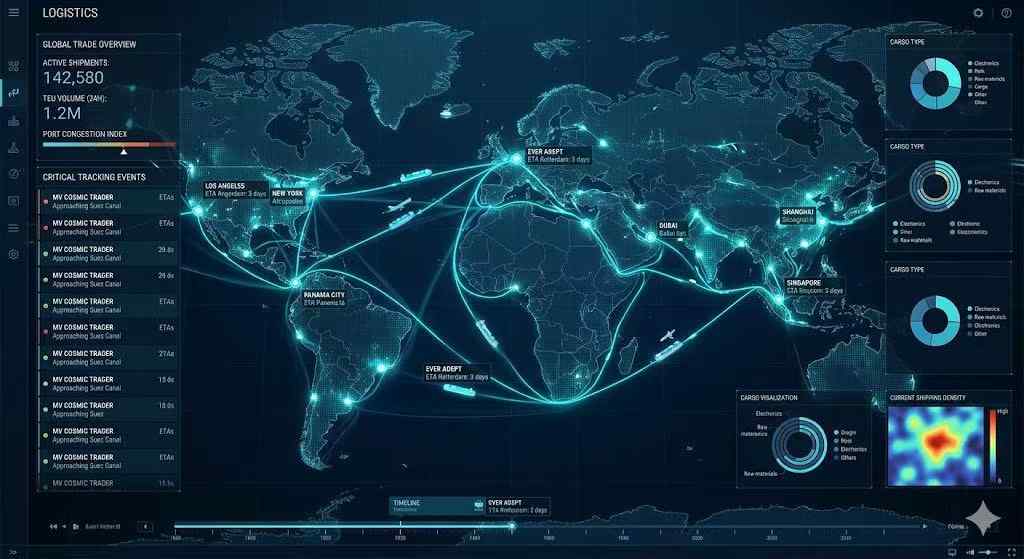
Shipping schedules are estimated transit times, not guaranteed delivery promises.
Of course, experienced freight forwarders can reduce risks by choosing better routes, stable carriers, and suitable shipping plans.
But nobody can fully control weather, global port congestion, customs inspections, or vessel schedule changes.
That is why many professional importers always leave buffer time for their inventory planning.
Final Thoughts
Sea freight remains one of the most cost-effective ways to move goods internationally.
Especially for large cargo, furniture, commercial goods, machinery, or wholesale products, ocean shipping is still the first choice for many businesses.
But honestly, shipping by sea requires patience and proper planning.
Transit time is influenced by many factors at the same time.
Port operations, weather, customs, vessel schedules, transshipment connections, and seasonal demand all play a role.
Sometimes shipments move incredibly fast.
Sometimes delays happen for reasons nobody expected.
This is simply how global shipping works.
If you want smoother transportation, the best approach is usually working with experienced logistics partners, preparing documents early, and planning cargo schedules in advance instead of waiting until the last minute.