China to Malaysia Sea Freight Shipping Guide
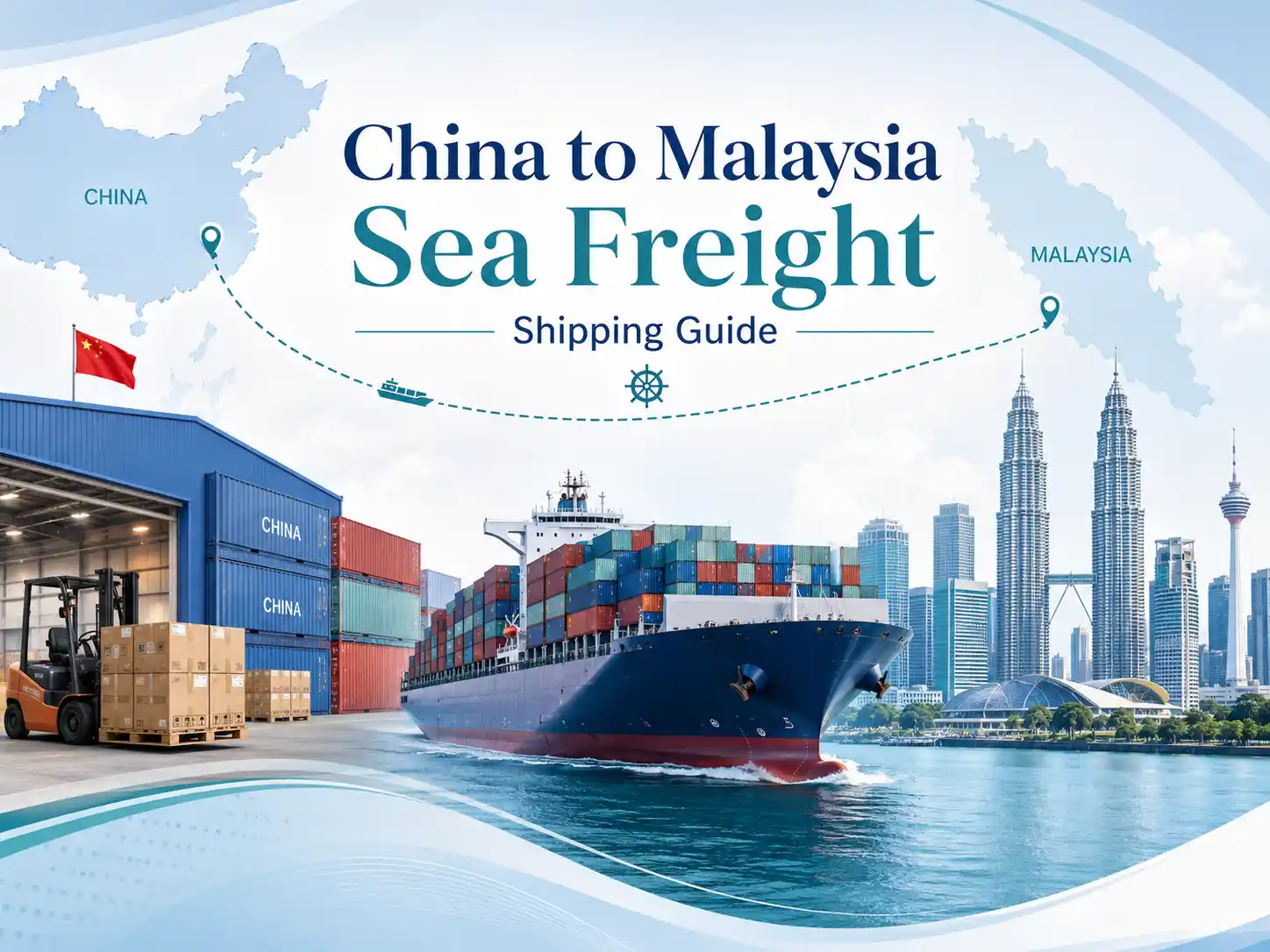
China to Malaysia sea freight is a practical choice when the cargo is too large for air freight, or when the customer wants a lower shipping cost. Actually, many Malaysia buyers do not need goods to arrive in a hurry. They care more about stable cost, warehouse consolidation, safe packaging, customs clearance, and final delivery. This guide explains how personalized sea freight from China to Malaysia can help customers store goods first, wait for a better freight rate, customize packaging, and arrange delivery in Malaysia by agreement.
Why Sea Freight from China to Malaysia Is Still a Popular Choice
Many customers search for “China to Malaysia sea freight,” “sea shipping from China to Malaysia,” “DDP shipping China to Malaysia,” “door to door shipping to Malaysia,” “Taobao shipping to Malaysia by sea,” or “China warehouse consolidation Malaysia.” These searches are very common because Malaysia buyers often purchase from different Chinese suppliers, and they need one clear logistics plan instead of many messy parcels.
Sea freight is usually suitable for furniture, household goods, daily necessities, commercial stock, e-commerce inventory, small machines, building materials, lighting products, plastic goods, clothing, shoes, bags, and mixed supplier cargo. Compared with air freight, sea freight is slower, but the cost is usually much more friendly for bulky goods. For many shipments, this is the real reason customers choose sea shipping.
Actually, China to Malaysia shipping is not only about moving cartons from Guangzhou, Foshan, Shenzhen, Yiwu, or Dongguan to Kuala Lumpur, Selangor, Johor Bahru, Penang, Malacca, Ipoh, Sabah, or Sarawak. It is also about timing, price, packaging, customs clearance, and local delivery. A good sea freight plan should match the customer’s real situation, not force every shipment into one fixed schedule.
Warehouse Storage
Goods can be stored in a China warehouse first, so customers can wait for all suppliers or choose the right shipping time.
Lower Freight Timing
Sea freight rates move up and down. If the goods are not urgent, customers can wait for a lower-cost shipping window.
Custom Packaging
Carton reinforcement, wooden frames, pallets, fragile protection, and consolidation can be arranged before loading.
Agreed Delivery
After arrival in Malaysia, delivery can be arranged based on customer schedule, address type, and local delivery needs.
1. Store Goods in China Warehouse Before Sea Shipping
One of the biggest benefits of personalized sea freight is warehouse storage. Many customers buy from several suppliers at the same time. Maybe furniture comes from Foshan, clothes come from Guangzhou, small goods come from Yiwu, and electronics accessories come from Shenzhen. These suppliers will not always ship on the same day. If every order is shipped separately, the cost can be higher and tracking becomes more confusing.
With China warehouse consolidation, goods can be sent to one warehouse first. The warehouse can receive the cartons, check quantity, measure size, confirm weight, and store the cargo until the customer decides to ship. This is very useful for Taobao buyers, 1688 buyers, e-commerce sellers, wholesalers, furniture buyers, and personal customers moving household goods to Malaysia.
Actually, waiting in the warehouse is not a bad thing. Sometimes it is the smartest part of the whole shipment. You can wait for other suppliers, wait for your Malaysia warehouse to be ready, or wait until you have enough cargo to make sea freight more cost-effective. A few extra days in the warehouse may help reduce the total shipping cost later.
Small reminder: when sending goods from different suppliers to the warehouse, mark each shipment clearly. Customer name, order number, product name, supplier name, and carton quantity can make warehouse checking much smoother.
2. Wait for Cheaper Sea Freight Rates Before Shipping
Sea freight prices are not fixed all year. This is something many new buyers do not notice at first. Shipping rates may change because of peak season, low season, vessel space, fuel cost, port congestion, holidays, container availability, and market demand. Sometimes the rate is high this week, but becomes lower later. Sometimes shipping earlier can avoid the peak season. This is very normal in international logistics.
If your cargo is urgent, of course, you may need to ship immediately. But if your goods are furniture, household goods, commercial stock, or non-urgent cargo, waiting for a better freight rate may save money. This is especially useful when the shipment is large. Maybe one small parcel does not make a big difference, but several cubic meters can create a very clear cost change.
Actually, low-cost China to Malaysia sea freight is not only about asking for the cheapest quote. A cheap quote without details can create trouble later. Real cost control means choosing the right time, right route, right packing method, and right delivery arrangement. Sometimes a customer can store goods first and wait for a better shipping window. That is a practical way to reduce cost without lowering the service quality.
Practical Example
A Malaysia customer buys furniture and home goods from Foshan and Guangzhou. The goods are ready, but sea freight rates are high during peak season. If the customer does not need urgent delivery, the cargo can stay in the China warehouse first. When the freight rate becomes more suitable, the shipment can be arranged by LCL sea freight or other suitable sea shipping service to Malaysia. This way, the customer may control the budget better.
3. Customized Packaging for Sea Freight Cargo
Packaging is very important for sea freight. Some suppliers only pack goods for domestic delivery inside China. The carton may look fine when it leaves the factory, but international sea freight is much longer. Goods may go through warehouse handling, loading, container stacking, port movement, sea transport, customs inspection, unloading, local sorting, and final delivery. Weak packaging can easily become a problem.
With personalized sea freight service, packaging can be adjusted before shipping. For fragile goods, we may suggest bubble wrap, foam, corner protection, wooden frames, wooden crates, or pallets. For furniture, stronger outer packing, edge protection, moisture protection, and stable stacking are important. For mixed cargo, heavy goods should not press fragile goods. For e-commerce cargo, labels and carton marks should be clear.
Maybe the customer wants neutral packaging. Maybe they want supplier labels removed. Maybe they want several small cartons combined into fewer packages. Maybe they want discreet packaging for private goods. These things are easier to arrange in the China warehouse before shipping. Once the goods already arrive in Malaysia, repacking becomes much harder and more expensive.
4. Delivery in Malaysia Can Be Arranged by Agreement
Final delivery is another part customers often care about. After goods arrive at Malaysia port or local warehouse and finish customs clearance, not every customer wants immediate delivery. Sometimes the receiver needs a certain date. Sometimes the shop or warehouse is not ready. Sometimes large furniture needs unloading help. Sometimes the delivery address needs appointment. Sometimes the customer wants delivery after confirming with family, staff, or warehouse manager.
With agreed delivery arrangement, delivery can be planned according to the customer’s real situation. For West Malaysia, delivery may include Kuala Lumpur, Selangor, Klang, Shah Alam, Johor Bahru, Penang, Ipoh, Malacca, Seremban, and other areas. For East Malaysia, such as Sabah, Sarawak, Kota Kinabalu, Kuching, Miri, Sibu, or Bintulu, route and delivery cost should be checked separately because East Malaysia is not always the same price as West Malaysia.
Actually, many problems happen at the last step. The goods arrived, but nobody is ready to receive them. The truck reaches the address, but the warehouse needs an appointment. The cargo is large, but there is no forklift or unloading staff. These are very common things. If delivery is discussed earlier, the whole process becomes much cleaner.
LCL or FCL: Which Sea Freight Method Should You Choose?
China to Malaysia sea freight usually has two common methods: LCL and FCL. LCL means less than container load. It is suitable when your goods do not fill a full container. Many Taobao buyers, small businesses, furniture buyers, and mixed supplier customers use LCL sea freight because they may only have a few cartons or several cubic meters.
FCL means full container load. It is more suitable for large shipments, factory orders, big furniture cargo, commercial stock, or customers who want one container for their own goods. FCL may be better when the cargo volume is large enough, or when the customer wants better control and fewer mixed-cargo handling steps.
For many normal customers, LCL door-to-door shipping is the most practical option. Goods can be consolidated in China, shipped by sea, cleared in Malaysia, then delivered to the customer’s address. But the right method still depends on volume, product type, budget, delivery address, and timing.
What Goods Are Suitable for China to Malaysia Sea Freight?
Sea freight is suitable for bulky goods, heavy goods, non-urgent goods, and cargo that needs a lower transportation cost. Common goods include furniture, sofas, cabinets, tables, chairs, mattresses, daily necessities, household goods, clothes, shoes, bags, toys, kitchenware, lighting products, plastic products, building materials, small machines, e-commerce inventory, and commercial stock.
Some goods need special checking before shipping. If the cargo contains battery, liquid, powder, cosmetics, food, magnetic items, branded goods, chemicals, medical products, or sensitive products, the shipping channel and customs clearance should be checked first. Maybe it can still be shipped, but the product information must be clear. Do not only say “normal goods” if the goods are not normal. This can create customs problems later.
- Furniture and home goods from Foshan, Guangzhou, Shenzhen, or other China markets.
- Taobao, 1688, Tmall, Pinduoduo, JD, and Alibaba purchases.
- Daily necessities, household goods, clothes, shoes, bags, and accessories.
- E-commerce stock, wholesale goods, commercial inventory, and shop supplies.
- Personal moving goods and family items shipped from China to Malaysia.
- Bulky cargo that is too expensive to ship by air freight.
China to Malaysia Sea Freight Process
The process is not complicated when cargo details are clear. Actually, the smoother the beginning, the fewer problems later.
FAQ: China to Malaysia Sea Freight
Can I store my goods in China warehouse before sea freight to Malaysia?
Yes. Goods can be stored first, especially when you are waiting for other suppliers, waiting for a lower sea freight rate, or not ready to receive the cargo in Malaysia.
Can I wait for cheaper sea freight before shipping?
Yes, if the shipment is not urgent. Sea freight rates may change during peak season and low season, so waiting for a better rate can help reduce cost in some cases.
Can packaging be customized before sea shipping?
Yes. Customized packaging can include carton reinforcement, wooden frame, palletizing, fragile protection, repacking, and consolidation based on cargo condition.
Is West Malaysia and East Malaysia the same price?
Not always. West Malaysia and East Malaysia may have different route, delivery cost, and transit time. It is better to provide the full postcode before quoting.
Final Thought: Sea Freight Should Match Your Real Plan
China to Malaysia sea freight should not be only one fixed service. Actually, a good shipping plan should match your cargo, timing, budget, packaging, and final delivery needs. Some customers need low cost. Some need warehouse storage. Some want to wait for better freight rates. Some need stronger packaging. Some need flexible delivery after arrival in Malaysia.
This personalized sea freight service gives customers more control. You can store goods in the China warehouse, wait for a suitable shipping time, customize packaging, and arrange Malaysia delivery by agreement. For many customers, this is more practical than rushing the shipment immediately.
If you are shipping from China to Kuala Lumpur, Selangor, Johor Bahru, Penang, Ipoh, Malacca, Sabah, Sarawak, or other Malaysia areas, send clear cargo details first. Product photos, carton size, weight, quantity, supplier address, and Malaysia postcode can help build a better shipping plan. Actually, clear information at the beginning is the easiest way to save time, save cost, and avoid unnecessary trouble later.
Need a China to Malaysia Sea Freight Plan?
You can send cargo name, product photos, carton quantity, weight, dimensions, supplier address in China, Malaysia delivery postcode, preferred shipping time, and packaging requirements. We can help check warehouse storage, sea freight timing, customized packaging, customs clearance, and agreed delivery arrangement.
Contact YDT Logistics